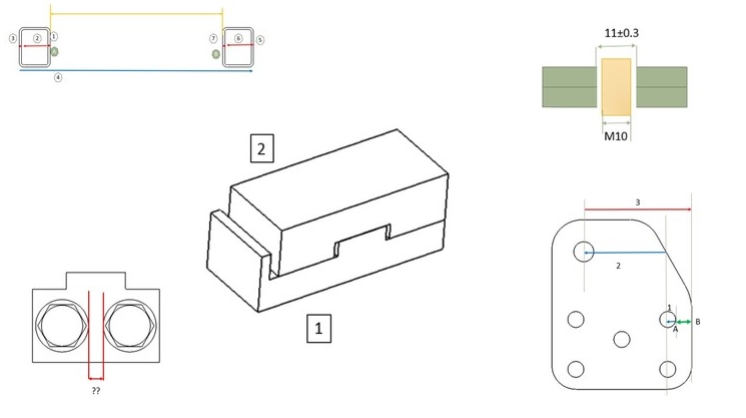
Engineering drawing and GD&T are the universal languages that ensure precision, clarity, and consistency in the communication of complex designs
Engineering drawing and Geometric Dimensioning and Tolerancing (GD&T) are critical components in the field of engineering, serving as the foundational languages that bridge the gap between conceptual design and tangible product .
GD&T as tool is used to convey design intent clearly from the design engineer to the manufacturer.
For a design engineer, learning how to prepare effective engineering drawings is key to implement designs in production
Key topics include
- Basics of engineering drawing - dimensions, tolerances, annotations
- The basic concepts of Geometric Dimensioning and tolerancing
- Why is GD&T needed and what are its advantages over the traditional method
- Tolerance analyses and System of Engineering Fits.

or Explore in-depth courses in GD & tolerancing
Looking to Dive into our in-depth courses ?
GD&T Mastery Course Bundle
4 courses in one
Course 1 : GD&T Basic Concepts
Topics Covered
- The Need for GD&T
- Concepts of Features, Features of Size, Rule #1, Envelopes
- Datums and Reference frames . How are they created? How are they applied?
- Symbols and their inspection methods, what they mean
- What is Bonus tolerance , virtual condition
- Multiple Examples and exercises
Course 2 & 3 : GD&T Advanced Concepts and Applied
Topics Covered
- Composite position control and comparison with multi segment control
- 3-2-1 Principle and Datum Targets, irregular surfaces
- Projected Tolerance zone
- Fixed and Floating Fasteners Tolerancing
- Simultaneous Requirements
- Patterns and slots
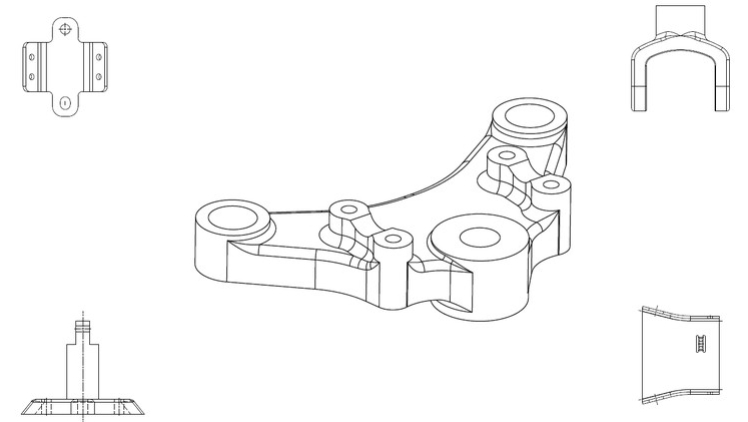
- GD&T Applied to components - Case studies
Course 4 : Basics of Tolerance Stackup Analysis
Topics Covered
- Basics of Fits system
- How to do a simple Tolerance stackup analysis
- What is statistical tolerancing
- How to incorporate GD&T into Tolerance stackup analyses
- Worst case vs RSS tolerance stackup